Pre-Mediation and the Crisis of Experiential Memorialization: Listening to the Nova Festival Exhibition
Yuval: Studies of the Jewish Music Research Centre
Abstract
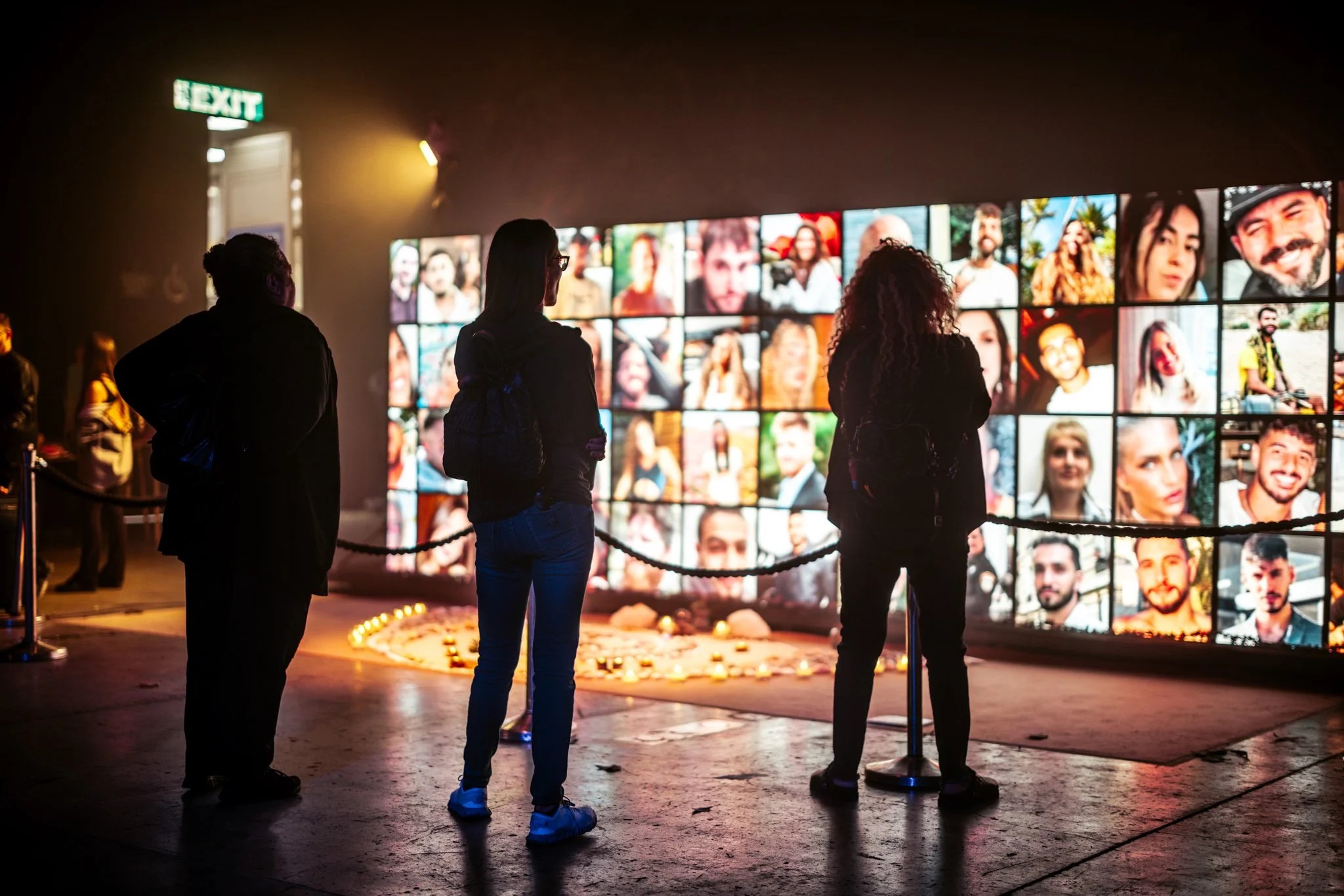
This article argues that the Nova music festival exhibition operates as a second-order immersion: a carefully staged sonic arc that follows, rather than precedes, the platformed experience of October 7, 2023. Drawing on scholarship in sound and memory studies, I show how visitors arrive already saturated with “viral witnessing”: clips, overlays, and algorithmically amplified soundtracks that pre-mediate atrocity in real time, shaping listening dispositions before the museum encounter. Situating Nova within the genealogy of late twentieth- and early twenty-first-century experiential memorial museums (USHMM, Yad Vashem, the 9/11 Museum), I trace how its curatorial strategies inherit the affective ambitions of what Amy Sodaro terms “performative spaces,” while contending with platform-conditioned listening that fragments reception. Through close analysis of five auditory environments—contextual orientation, refracted immersion, memorial convergence, testimonial resonance, and reflective aftercare—I demonstrate how cues such as an orchestral “Hatikvah,” curated silence, testimonial scoring, and ambient decompression collide with prior memetic soundtracks and platform tropes (sonic wallpaper, remix, refrain). In the contemporary “memory wars,” these collisions yield heterogeneous auditions: grief and identification for some; skepticism, irony, or political resistance for others. I contend that the sonic design of Nova reveals both the possibilities and limits of immersive memorialization in the platform era: it can slow the feed and scaffold ethical listening, yet it risks reproducing spectacle and meme-ready cadence. The article concludes by proposing design principles for contested audition, approaches to memorial sound that acknowledge plural listening positions without forcing affective consensus.